
Attractions
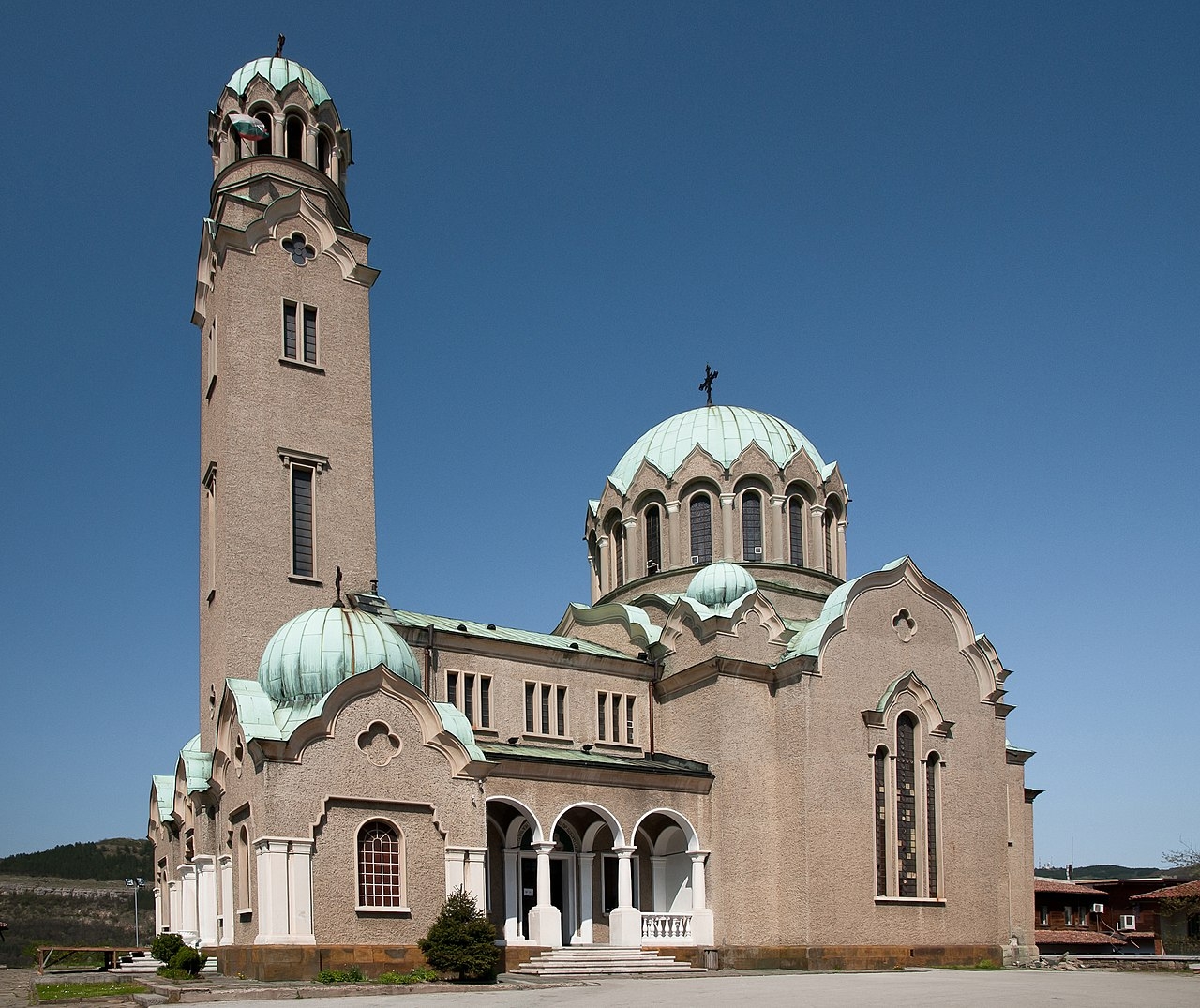
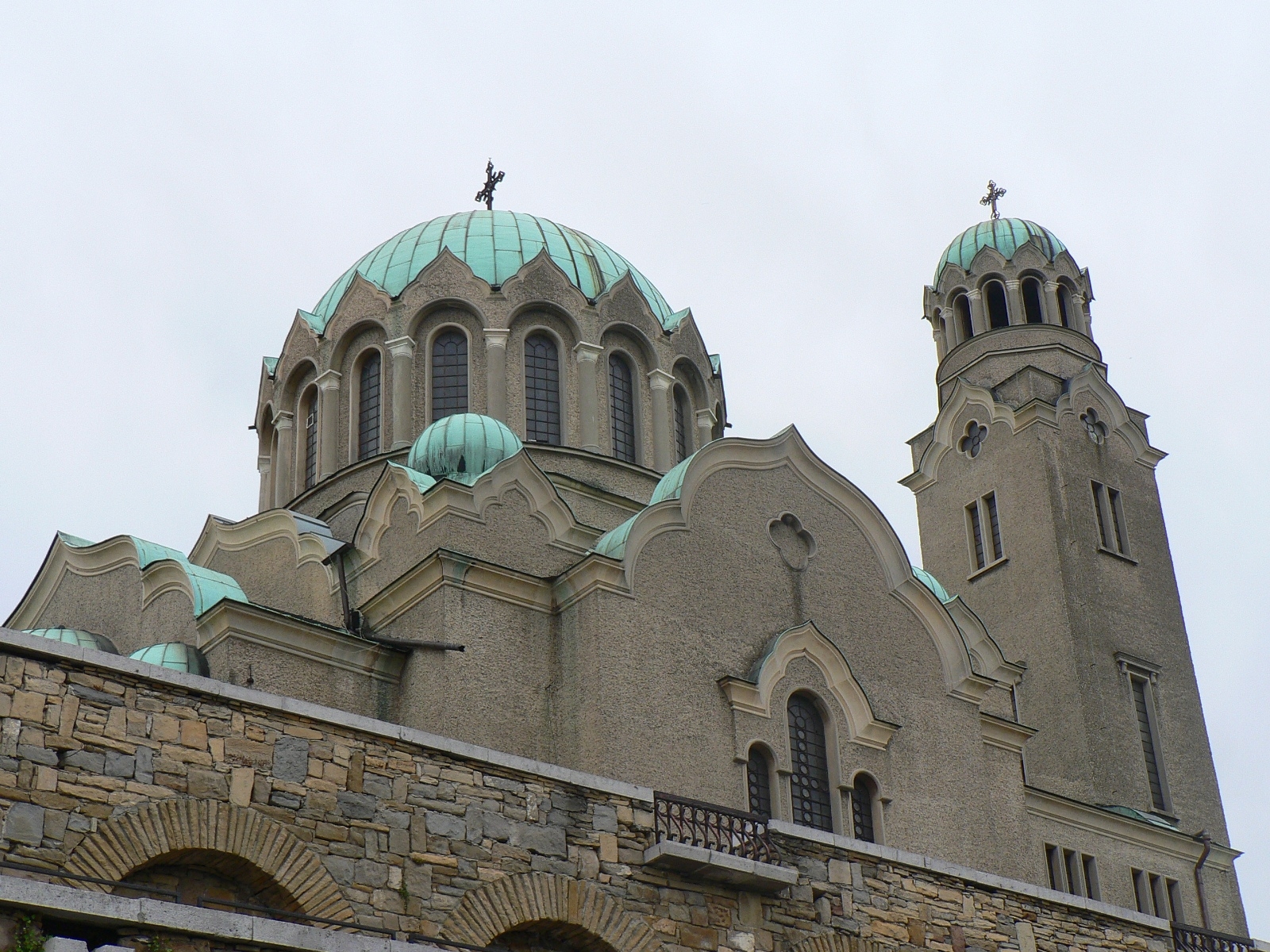
Cathedral Rozhdestvo Bogorodichno
The Nativity of the Virgin is an Orthodox church in Veliko Tarnovo, a cathedral church of the Veliko Tarnovo Diocese of the Bulgarian Patriarchate.
It is located in the old part of Veliko Tarnovo, in the so-called "Bolyarska mahala", on a small square in the old part of the city. It was built on the old church of the Nativity of the Virgin. Opposite it is the building of the Veliko Tarnovo Metropolis.
Metropolitans Clement, Sophrony and Antim are buried in the narthex of the church.
Source: Wikipedia
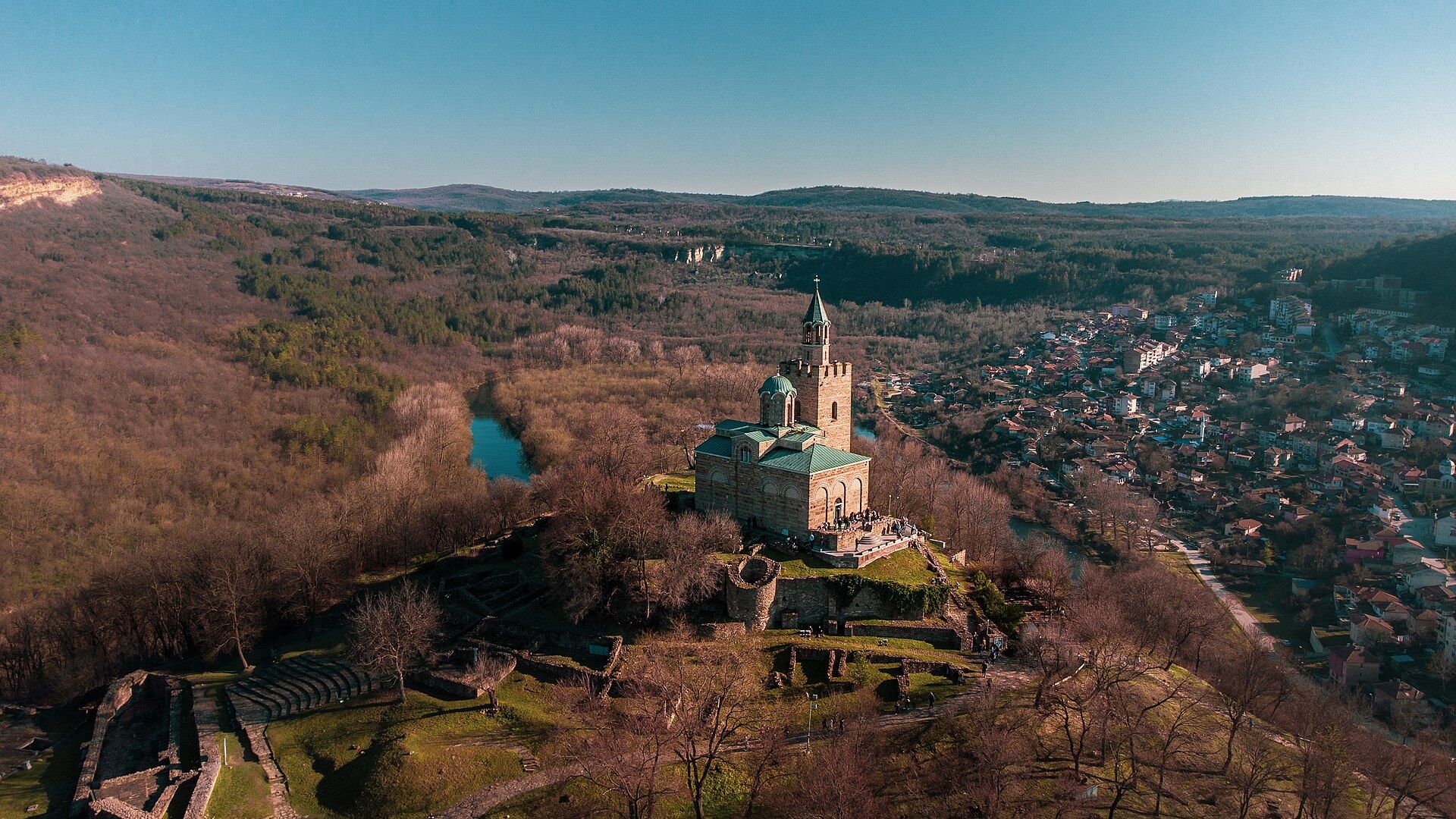
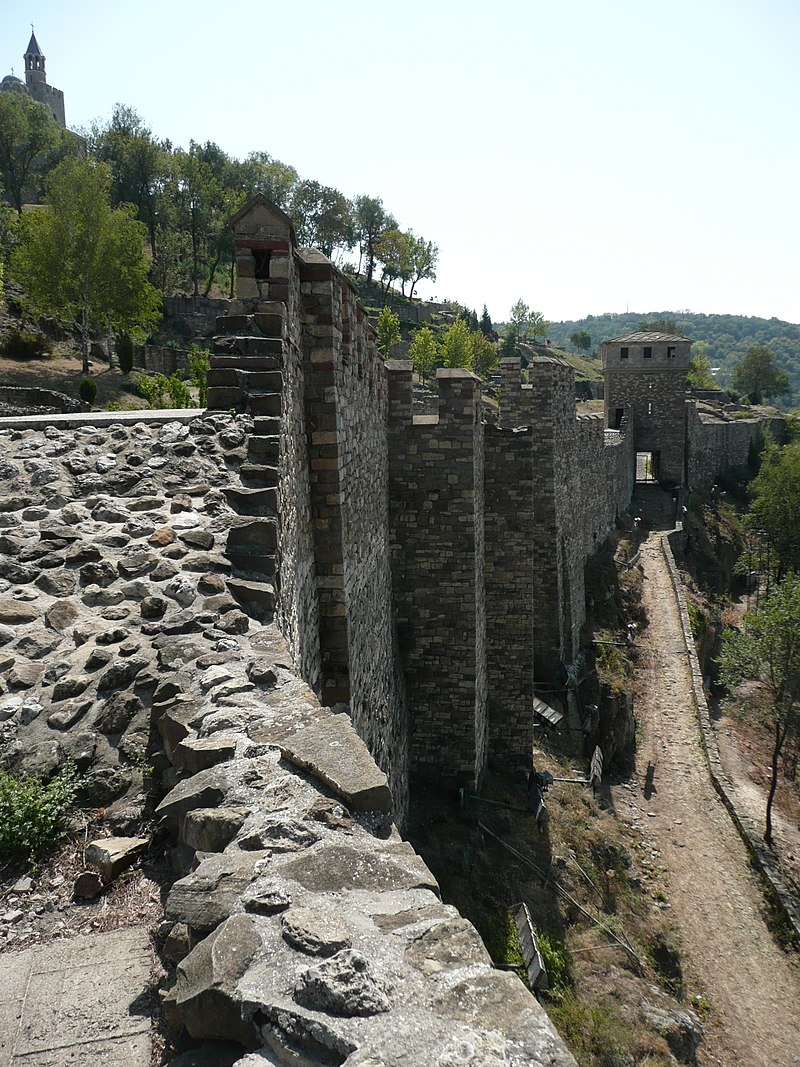
Tsarevets Fortress
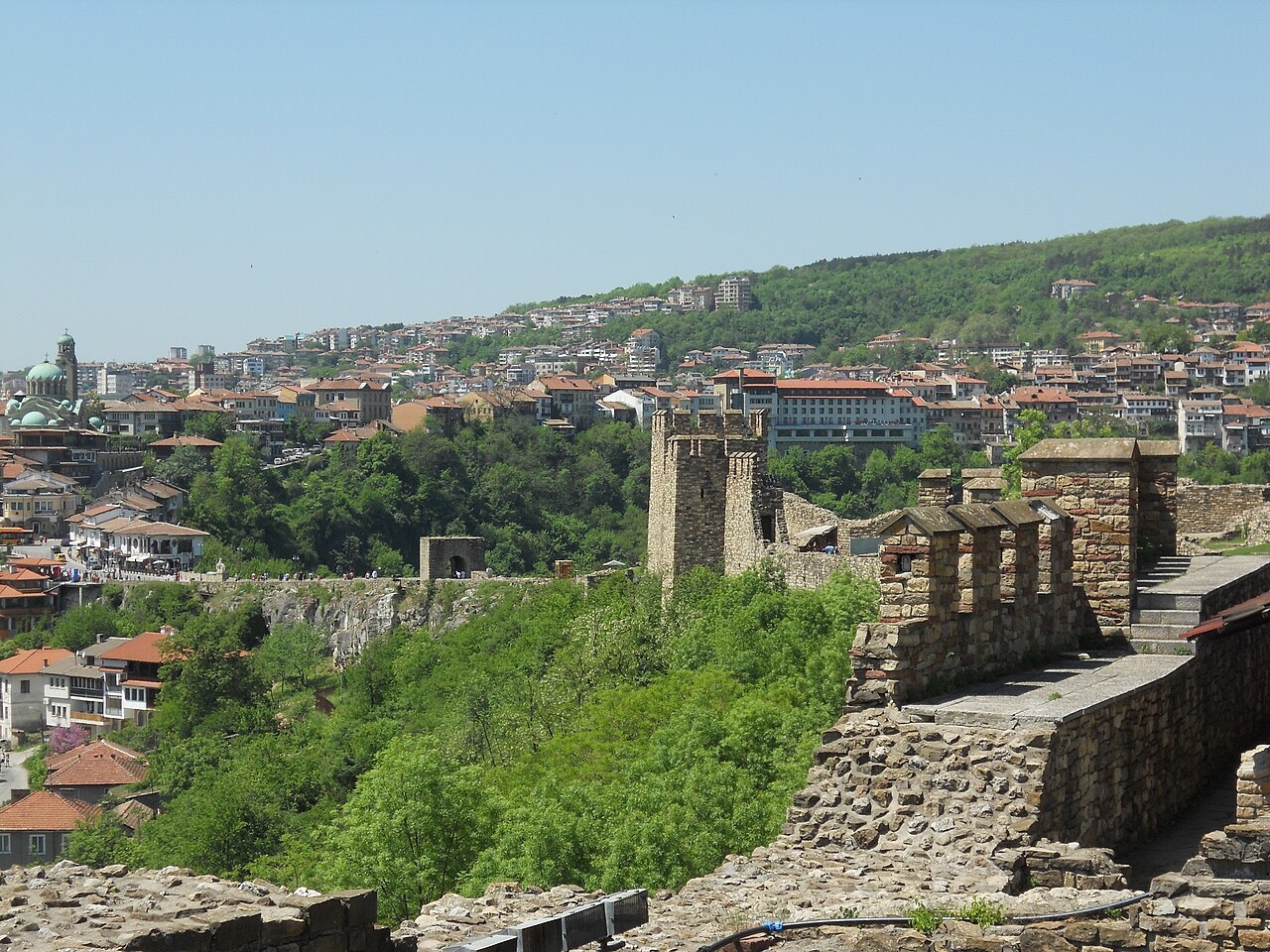
It is located near the old town of Veliko Tarnovo. It was the main Bulgarian fortress during the Second Bulgarian Kingdom (1185 – 1396), when Tarnovo was the capital of the kingdom. During the Middle Ages, the hill on which it is located was completely built up with residential and administrative buildings. Tsarevets is among the Hundred National Tourist Sites, and has a seal of the Bulgarian Tourist Board.
The earliest traces of life on Tsarevets Hill date back to the late Chalcolithic (4200 BC). Map of Tsarevets The hill was also inhabited during the Bronze Age and the Iron Age. Remains of dwellings and ceramics from the Hallstatt culture (13th-5th centuries BC) and the later La Tène culture (5th-1st centuries BC) have been discovered. The Thracian settlement discovered under the ruins of the medieval Bulgarian capital existed throughout the 1st millennium BC. The intensive life on the hill in the following millennia, and especially during the Middle Ages, almost completely destroyed the traces of it. Only small areas have survived under later buildings.
Source: Wikipedia
Trapezitsa Fortress
There are 2 assumptions about the name Trapezitsa. According to some, this name is associated with the word "trapezium", and according to others it comes from "trapezium", since the shape of the plateau is trapezoidal, another version from trapezites - volunteer troops (called guards of the passes) version of Prof. Boychinov.
Even during the Byzantine rule, the trapezites (guardians of the passes) lived on the hill.
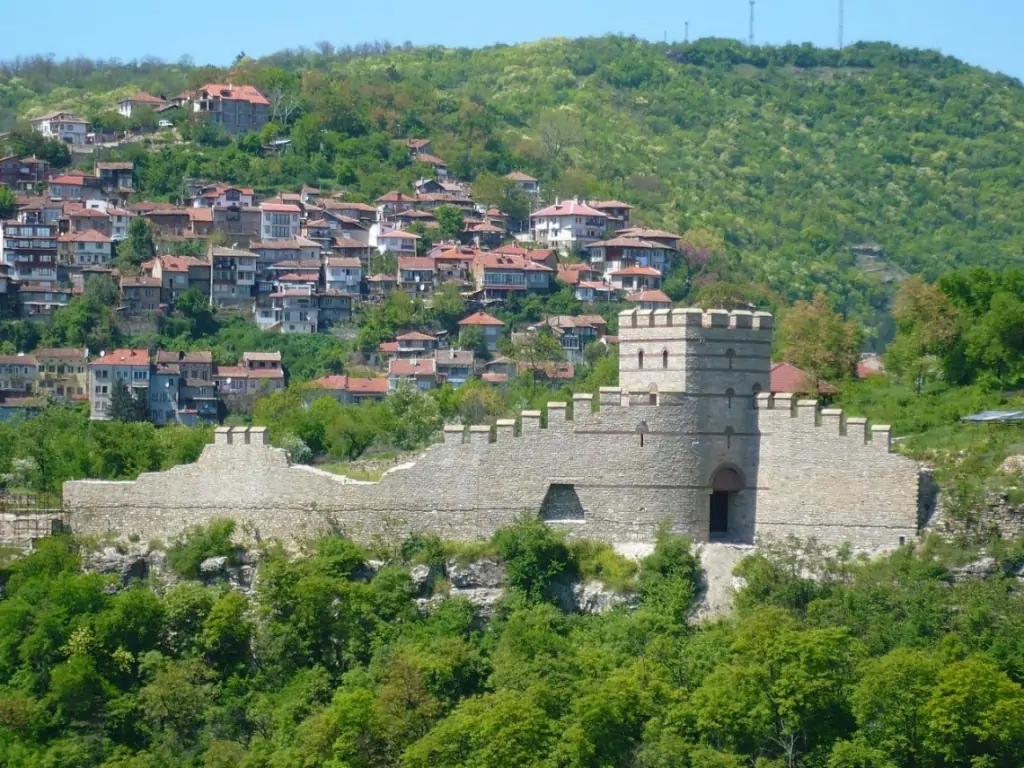
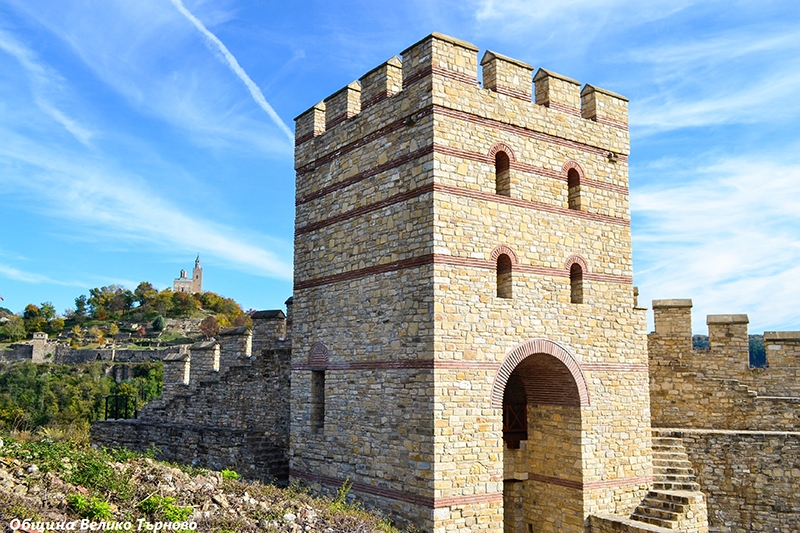
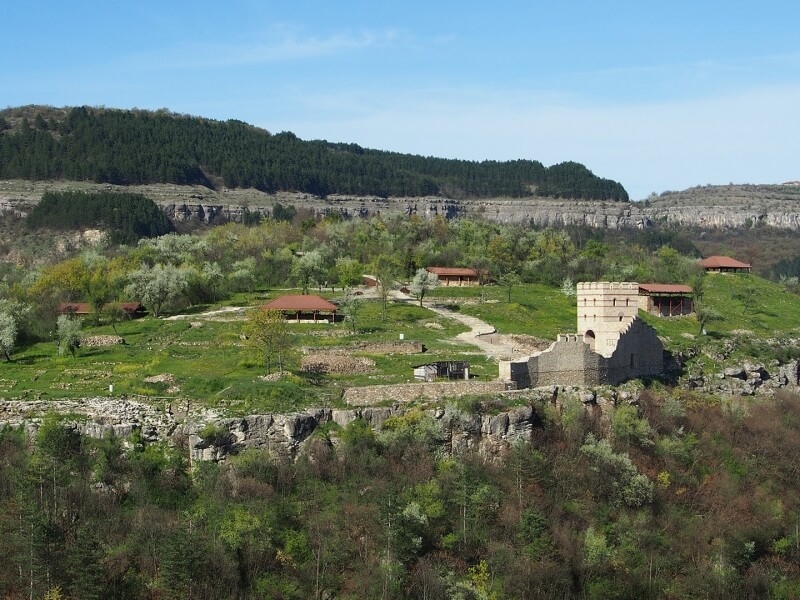
Trapezitsa is the second fortress of the inner city of Medieval Tarnovgrad (Veliko Tarnovo). It is located on the right bank of the Yantra River, northwest of Tsarevets. It is a natural fortress, surrounded on three sides by the river. Once upon a time, high walls with soldiers and towers rose on the steep cliffs. Two transverse fortress walls ran down the slopes of the hill – one in the eastern part, near the church of St. Dimitar, and the other – on the western slope towards the current railway bridge. The fortress was entered through four entrances. The main entrance of Trapezitsa was located on the southern side and was connected to Tsarevets by a bridge over the Yantra River opposite the church of St. Forty Martyrs. A stone path, cut into the rock and reaching the southern gate, traces of which have been preserved, led to this entrance.
Source: Wikipedia
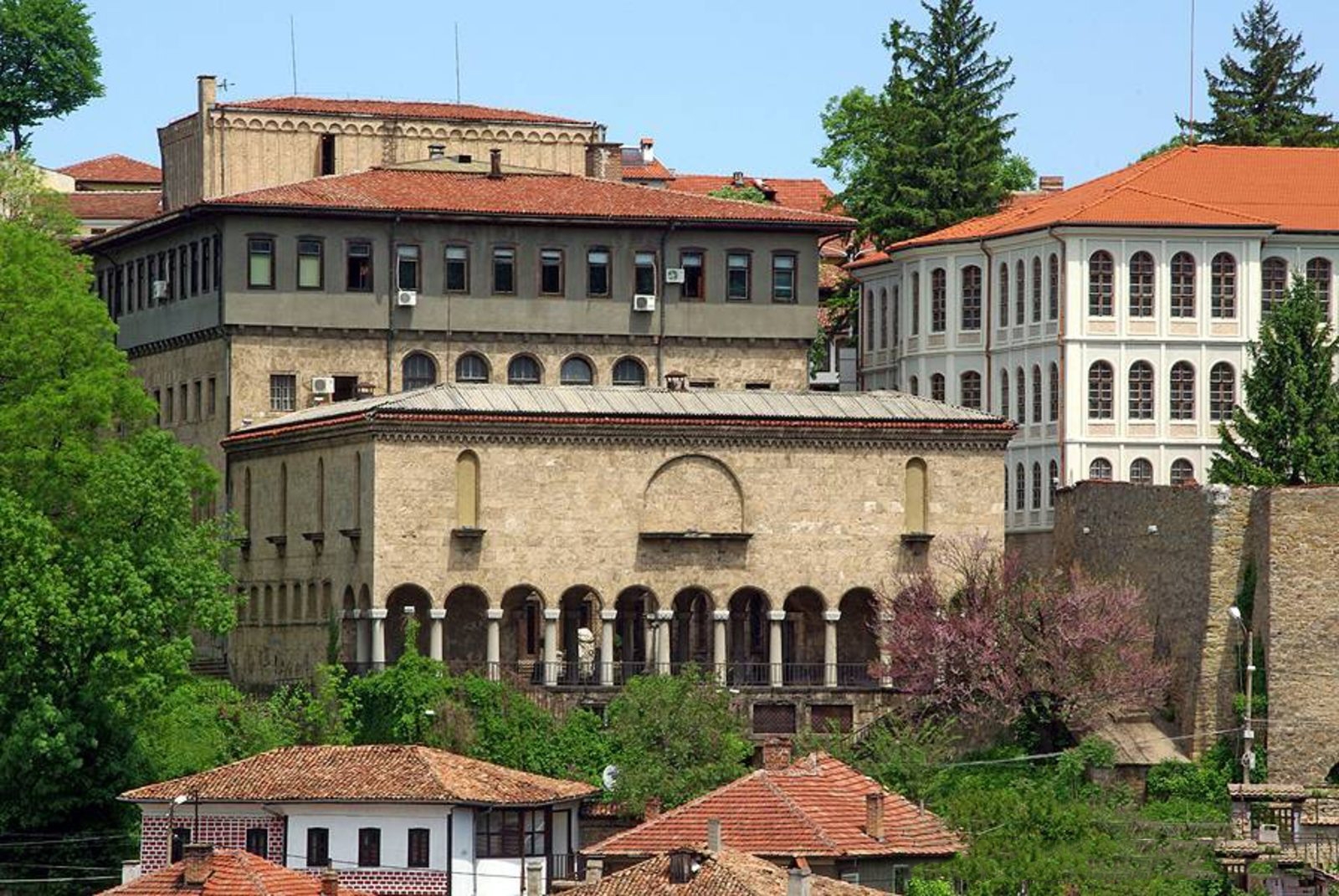
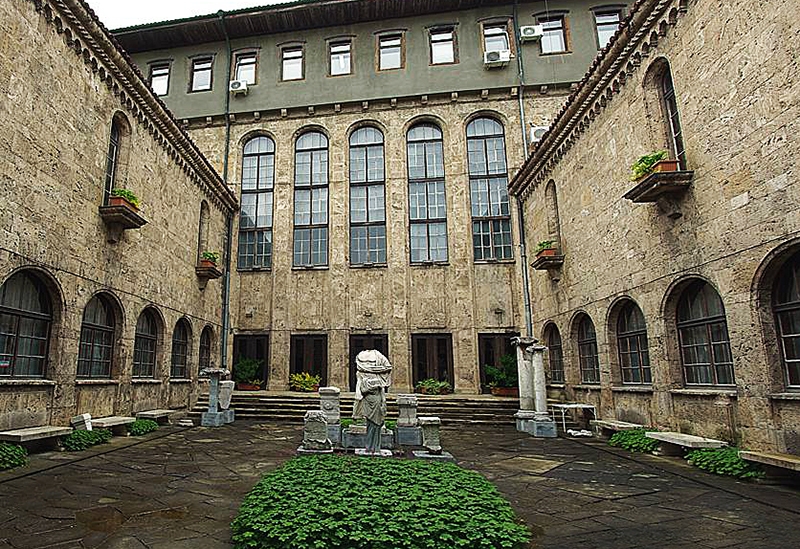
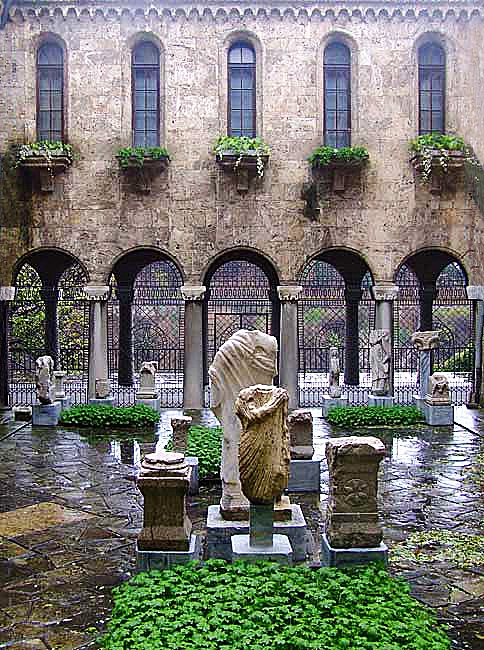
Regional History Museum - Veliko Tarnovo
The exceptionally rich 150-year history of museum work in Veliko Tarnovo provides an opportunity for a thorough and multifaceted analysis of its development. A brief retrospective review of the path taken allows us to outline several main stages in the construction, formation and consolidation of the museum structure in the city and the region.
Ethnographic Complex "Samovodska Charshiya"
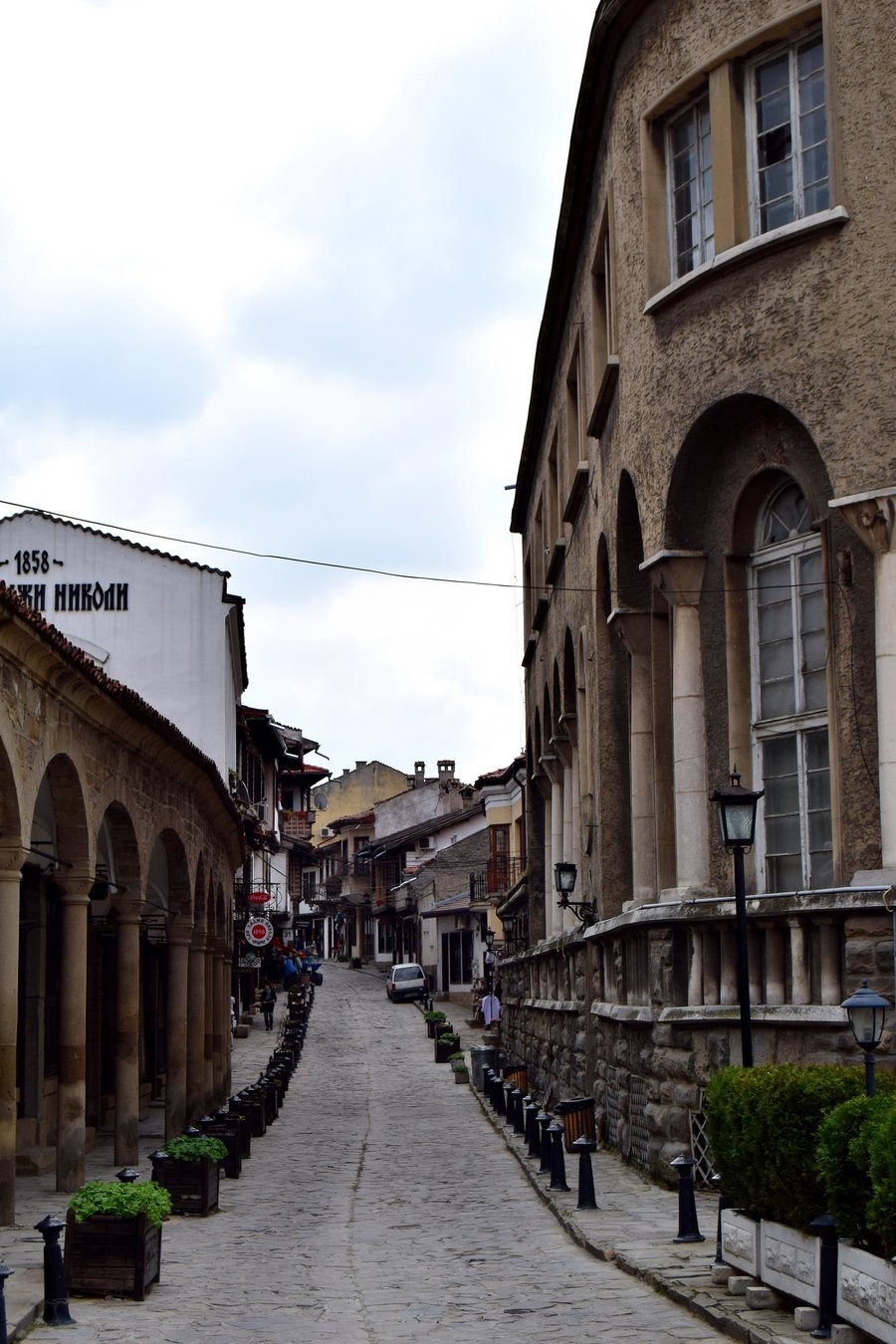
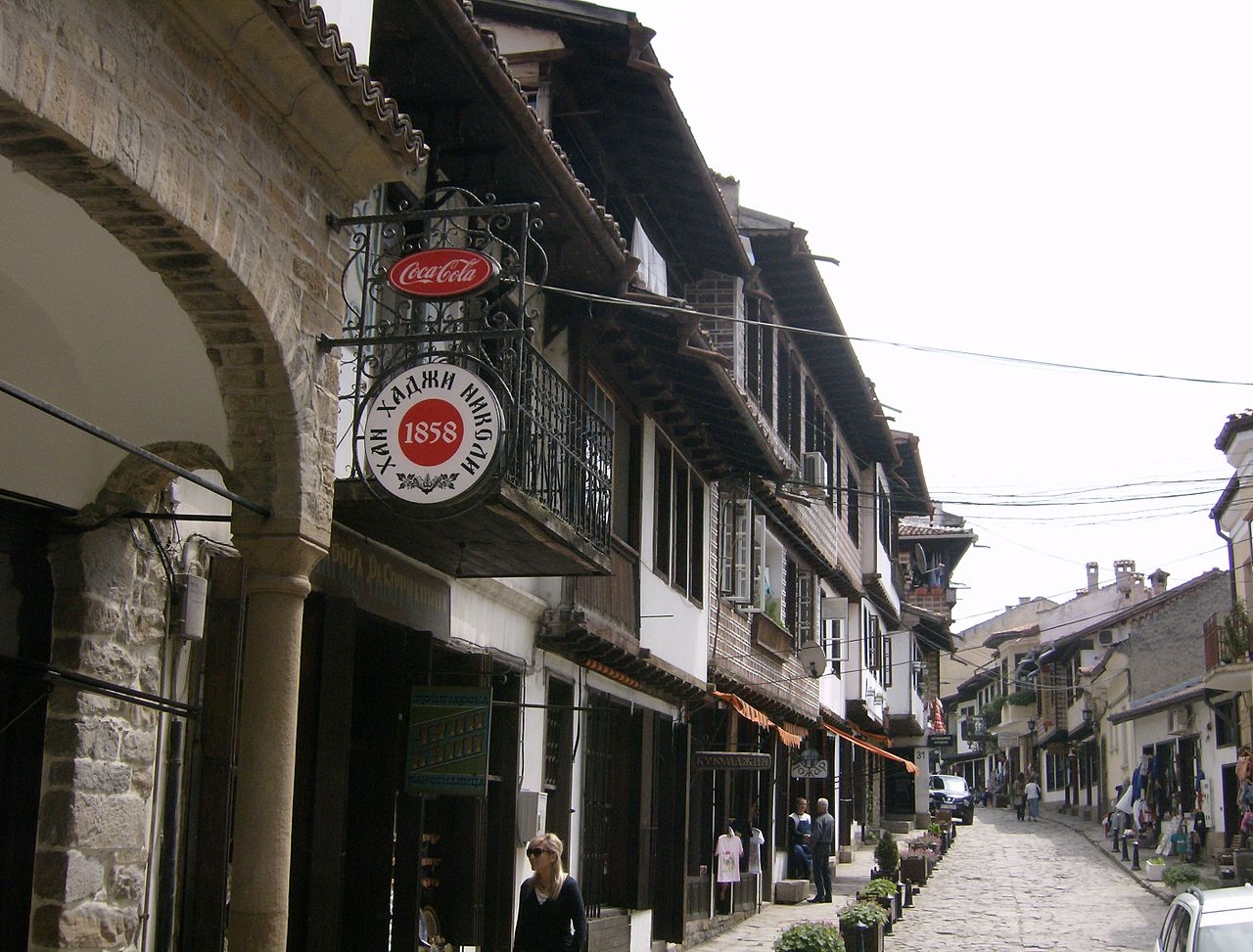
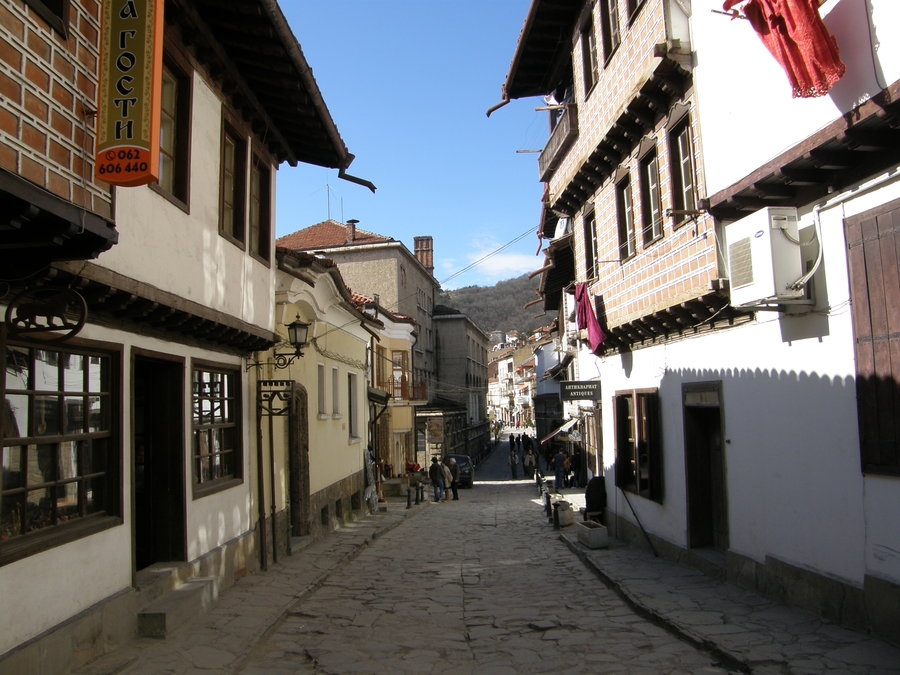
Samovodska Bazaar is today an architectural and ethnographic complex in Veliko Tarnovo with Renaissance architecture[1]. It is located along the streets "Georgi Rakovski" and "Captain Georgi Mamarchev" and around the square "Georgi Kirkov".
It was created in the middle of the 19th century. On the new street, farmers sell their produce. These are most often farmers from the surrounding villages - Samovodene, Dichin and others. Over the years, artisan shops, workshops and inns have appeared.
The inn of Hadji Nikoli still stands on the street today. There were other inns on this street - Dryanovski, Hadji-Davidov, Hadji-Velikov, Atanas Yonoolu.
Every year on September 22-24, the Night of the Samovodska Bazaar is held.
Source: Wikipedia
Gurko Street
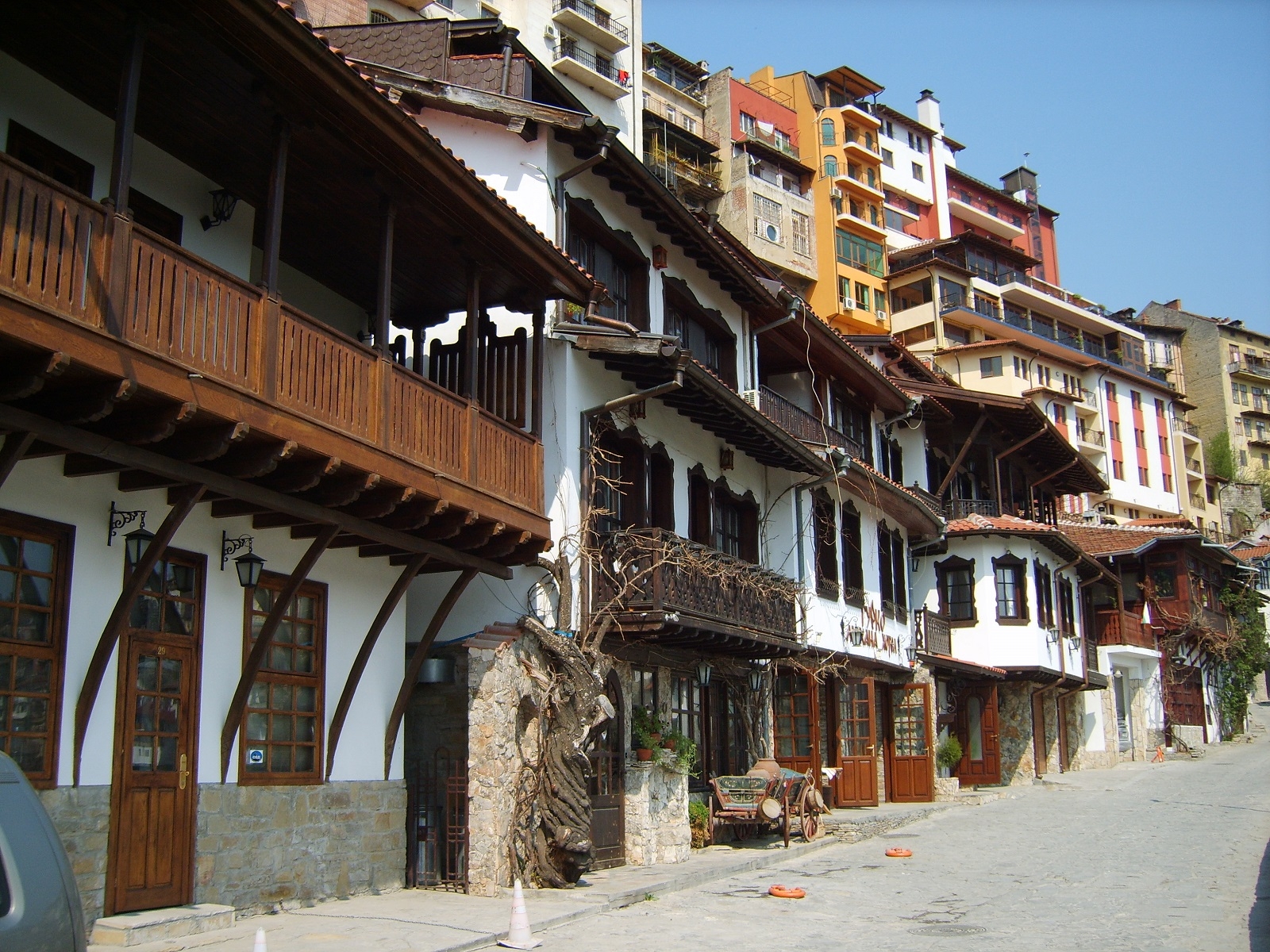
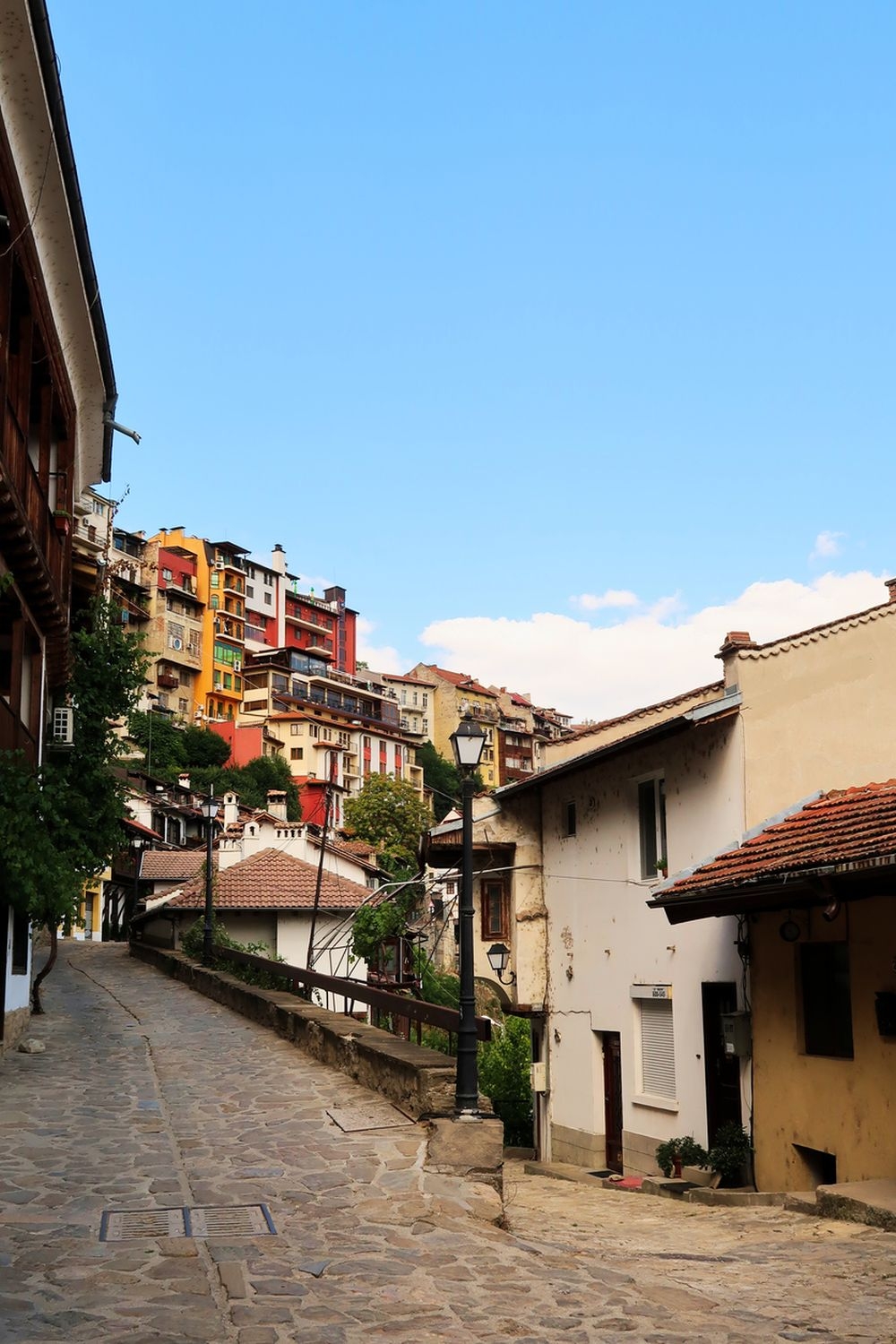
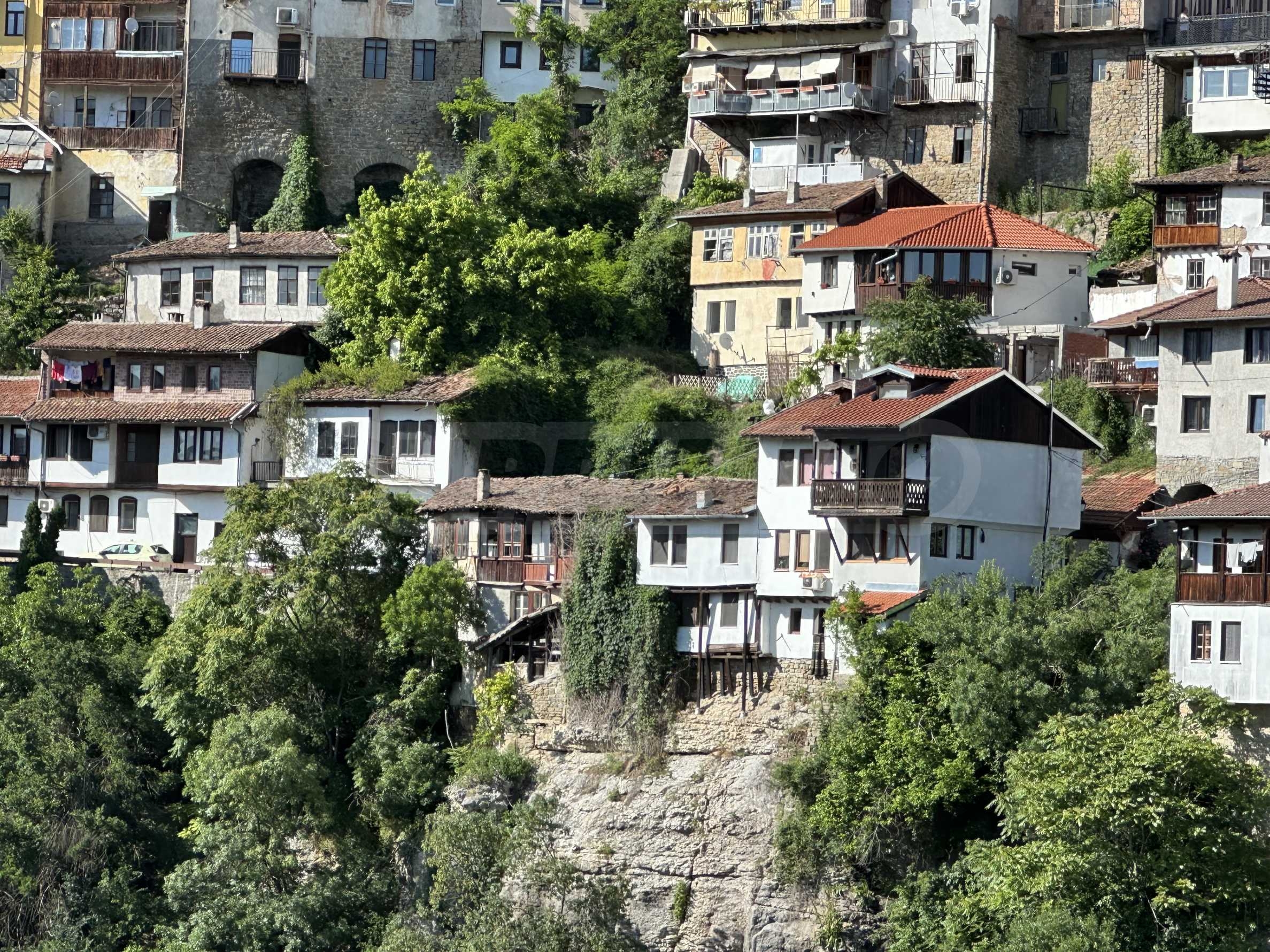
"Gurko" is a central street in the Old Town, Varusha district - South in Veliko Tarnovo.
The street is named after one of the generals who liberated Bulgaria in 1888, Yosif Gurko. The street is one of the most picturesque in the city. Vasil Levski, revolutionaries, the liberation army of General Gurko, etc. have passed along it. There are many Bulgarian Revival houses on it and a number of artists have worked there. There were several shops and workshops on the street until the beginning of the 20th century.
It stretches from "Mother Bulgaria" Square to the Old Presbyterian School of Economics.
Source: Wikipedia
Holy Forty Martyrs Church
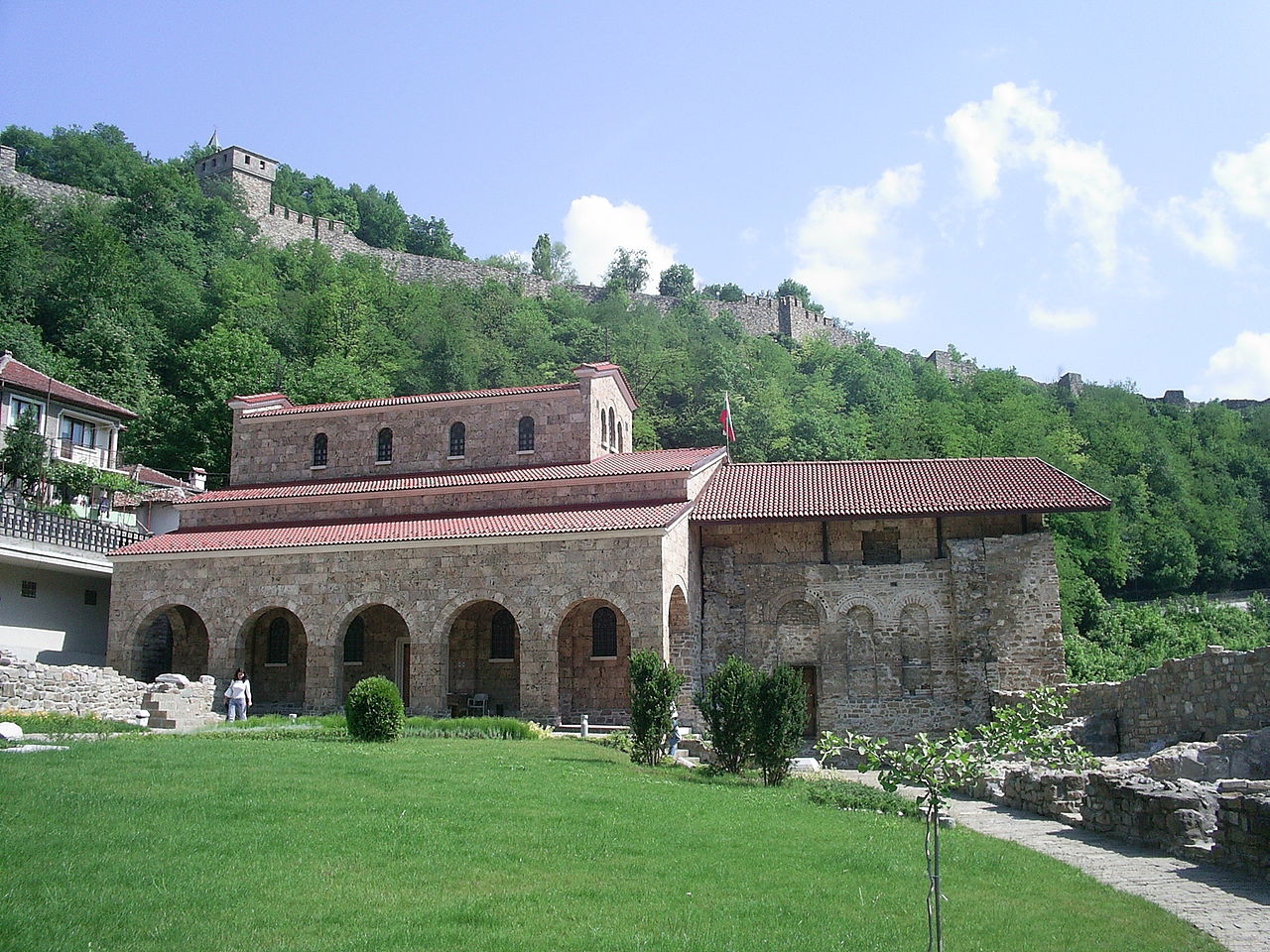
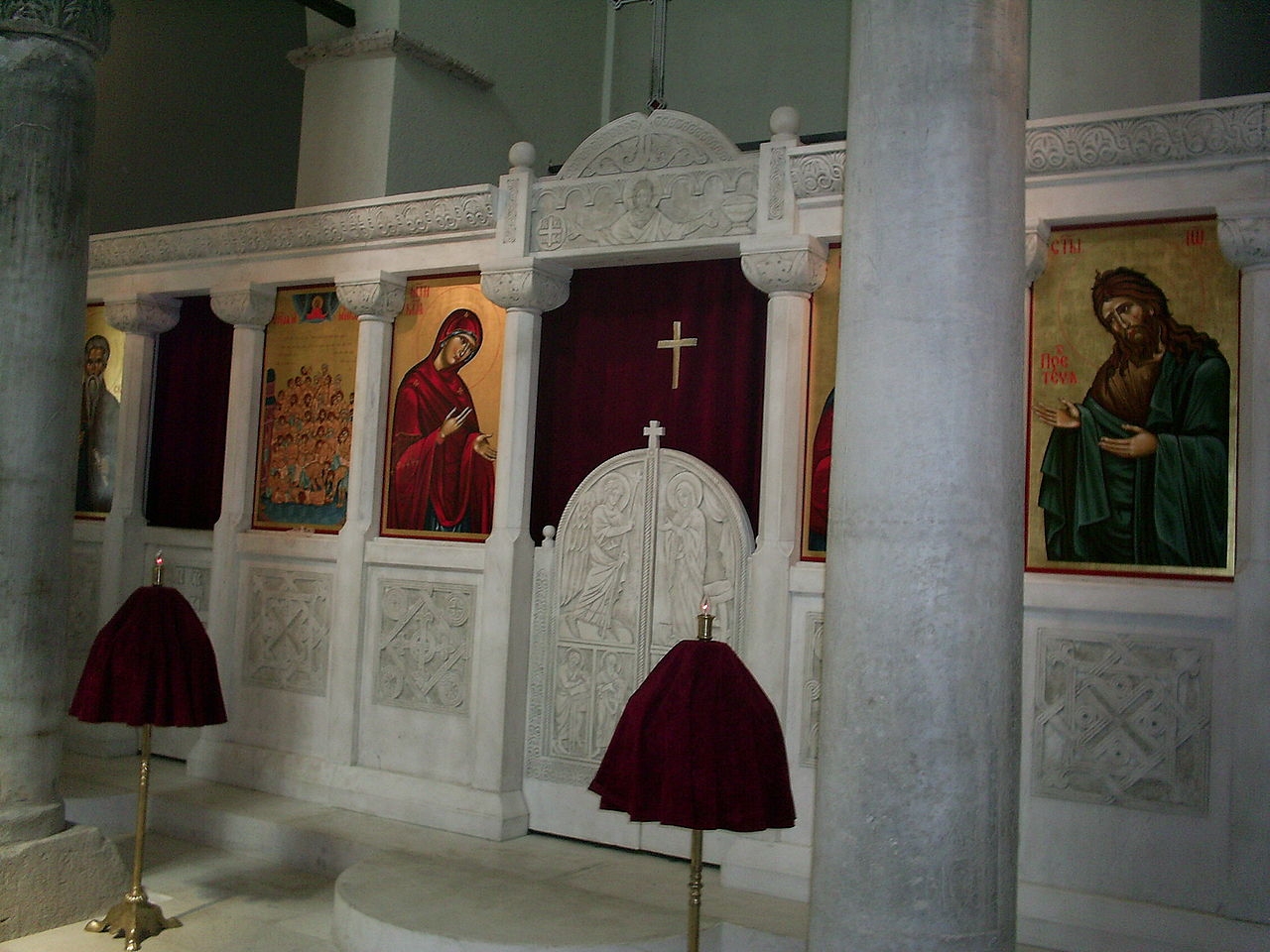
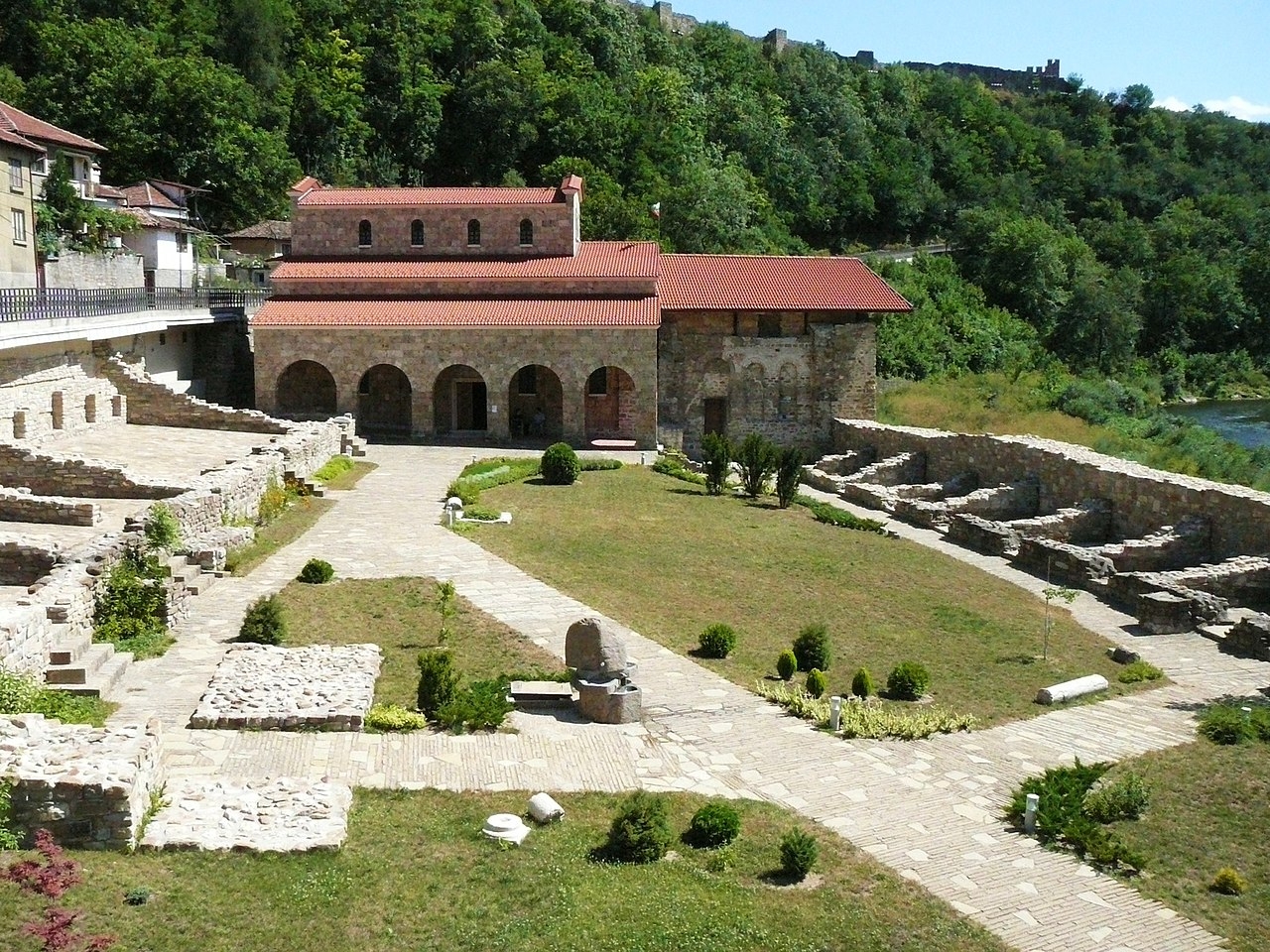
The church is the most famous medieval Bulgarian monument in Veliko Tarnovo. It was built and frescoed during the reign of the Bulgarian Tsar Ivan Asen II on a smaller church probably dedicated to the Virgin Mary, in honor of his great victory in the Battle of Klokotnitsa on March 9, 1230 (the day of the 40 Holy Martyrs of Sebaste) over the Epirus despot Theodore Komnenos. In the 13th – 14th centuries it was the main church of the Great Lavra monastery. A church bearing the name of the holy warriors was also erected by the Bulgarian Tsar on the Malkia Hasara hill near the present-day village of Stalevo, Haskovo region, from where, according to tradition, he led the battle. The village, like the old capital city, celebrates its church holiday on the day of the Holy Forty Martyrs. At the top of Malkia Hasara in the area of "Cherkovishteto" an old votive stone with a cross marks the site of the former fortress church. On this day, according to an old custom, people climb Golyam Hasara and throw a stone in the direction of Klokotnitsa, saying the words: "Three times anathema, kir Theodore Komnenos!"
Source: Wikipedia
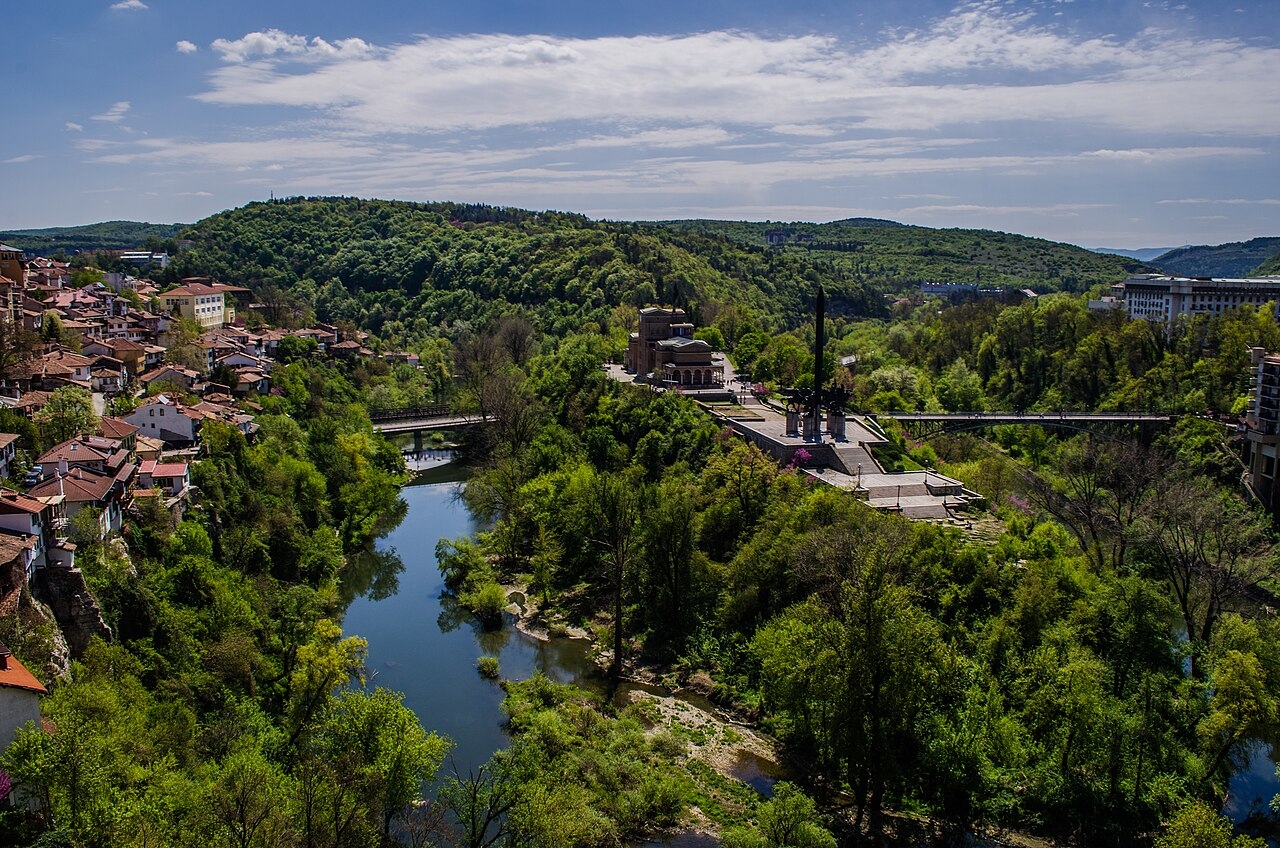
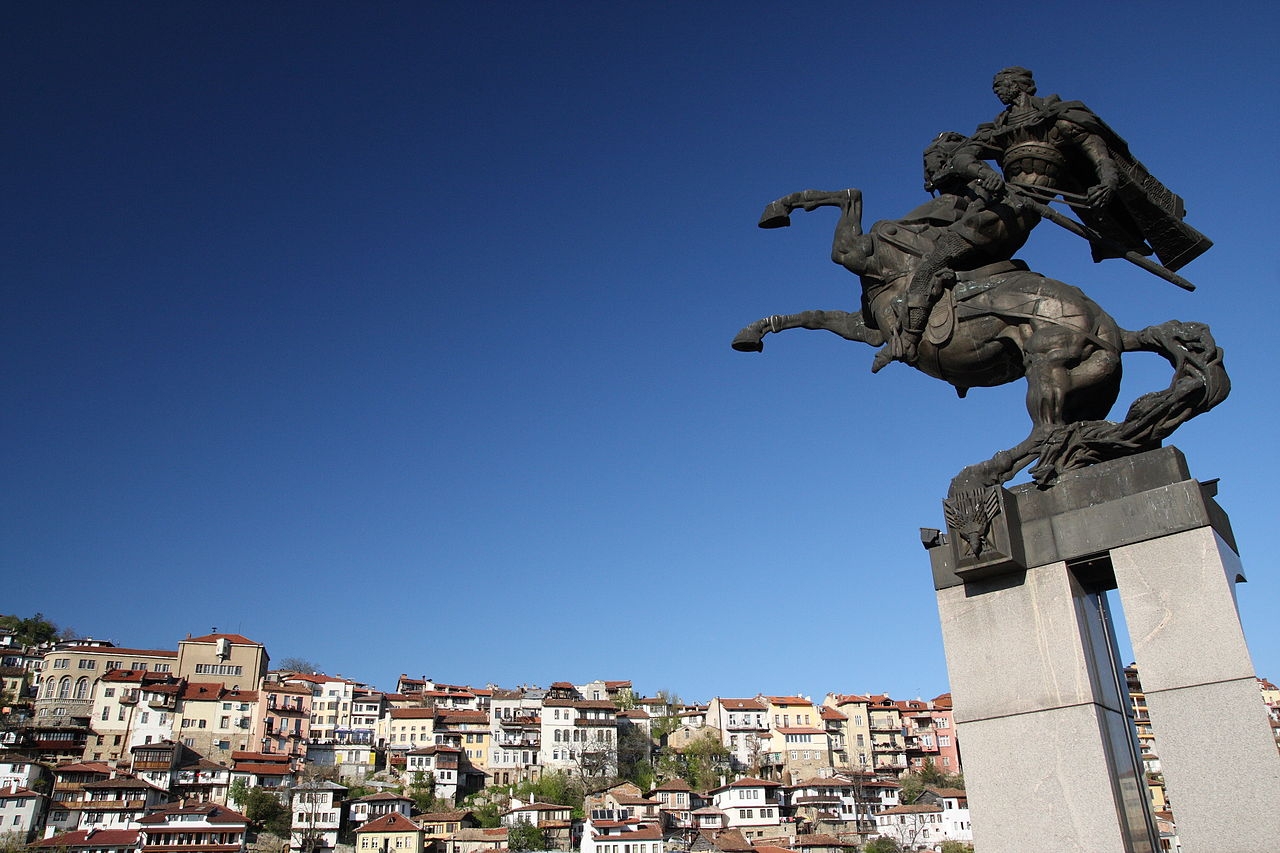
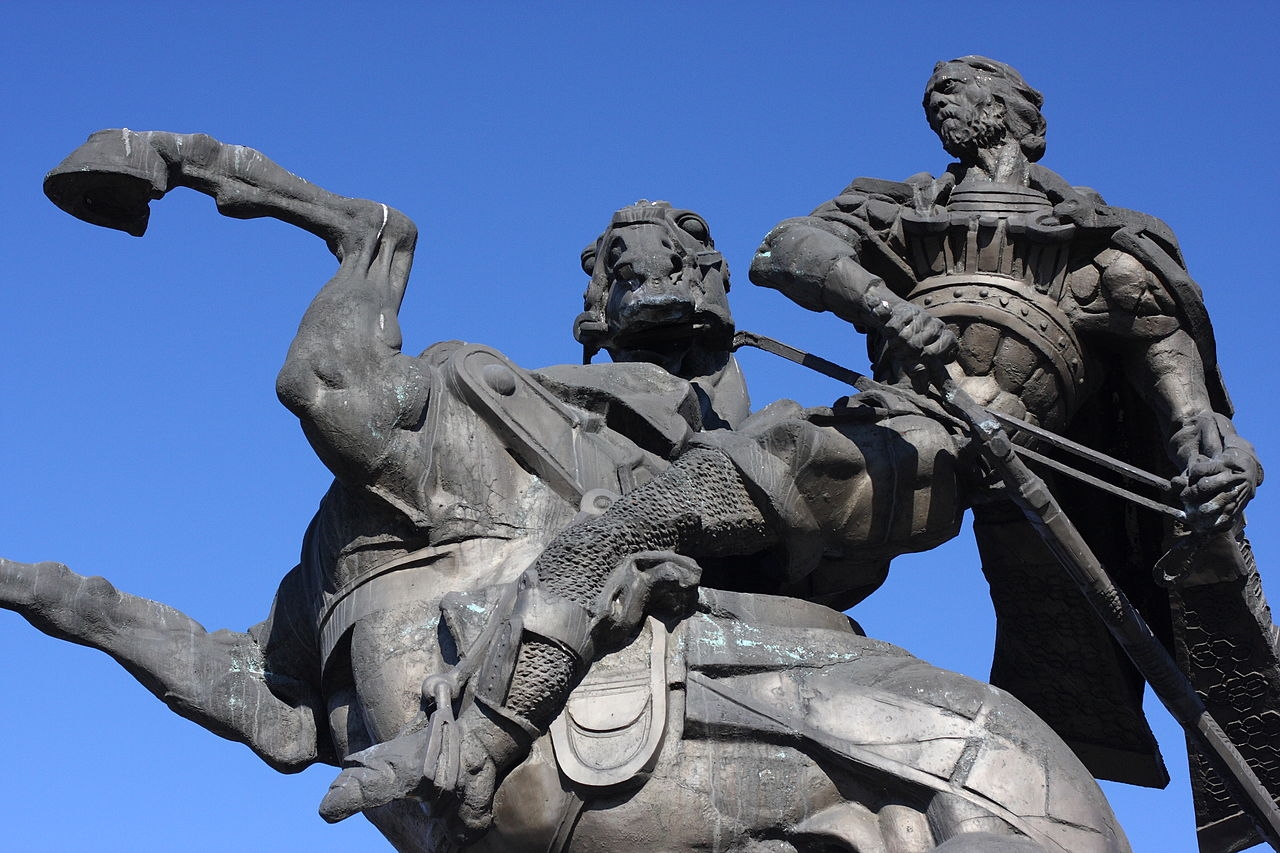
Monument "Asenevtsi"
The monument "Asenevtsi" (also known as the "Monument of Asenevtsi", "The Horsemen") is a monumental monument in Veliko Tarnovo, dedicated to the Bulgarian kings Asen, Peter, Kaloyan and Ivan Asen II.
The monument is located in the Boruna area, at the foot of Mount Athos, on the rocky promontory of one of the bends of the Yantra River, creating the feeling of a natural amphitheater. In the immediate vicinity of it are the State Art Gallery "Boris Denev" and the Stambolov Bridge. The address is "Alexander Stamboliyski" Str., Veliko Tarnovo.
The monument costs 6.4 million leva, donated by the Bulgarian people, and was officially opened on November 16, 1985. to celebrate the 800th anniversary of the uprising of the boyar brothers Asen and Peter and the liberation of Bulgaria from Byzantine rule.
Source: Wikipedia